

Living with Polycystic Ovary Syndrome (PCOS) comes with a unique set of daily challenges, and for many, dealing with stubborn, excess facial hair is one of the most frustrating. If you are tired of the endless cycle of shaving, waxing, and plucking, you are certainly not alone. Hormonal imbalances can trigger thick, dark hair growth along the chin, jawline, and upper lip, impacting your confidence and daily routine. Fortunately, advanced aesthetic solutions offer a way forward. Facial laser hair removal for PCOS has emerged as one of the most effective, long-term strategies to regain control, smooth your skin, and reduce the burden of constant maintenance.
At Esthetica Cosmetology, we understand that managing hormonal hair growth requires a specialized, empathetic approach. Laser treatments are not just about aesthetics; they are about helping you feel comfortable and confident in your own skin. In this comprehensive guide, we will break down how PCOS affects hair growth, how laser technology works against hormonal imbalances, and what you can truly expect from your treatment journey with us.
Understanding the Connection Between PCOS and Hormonal Hair Growth
To tackle unwanted hair effectively, it helps to understand why it happens in the first place. PCOS is a common endocrine disorder affecting reproductive-aged individuals. One of its primary hormonal hallmarks is an elevated level of androgens (often referred to as male hormones, though present in all bodies).
When androgen levels are high, hair follicles that are sensitive to these hormones can switch from producing fine, vellus hair to thick, pigmented terminal hair. This condition, known as hirsutism, typically targets areas patterned similarly to male hair growth—most notably the face, neck, chest, and abdomen.
Why Traditional Methods Fall Short
Shaving: Cuts hair at the surface, leading to stubble within hours and potential razor burn or ingrown hairs.
Waxing and Threading: Pulls hair out by the root, but can irritate sensitive skin, trigger breakouts, and lead to painful folliculitis.
Depilatory Creams: Use harsh chemicals to dissolve hair shafts, which frequently cause chemical burns and severe contact dermatitis on delicate facial skin.
Because these traditional methods only address the surface symptoms without altering the underlying hormonal cycle, the hair quickly returns, often thicker and more resilient.
How Facial Laser Hair Removal Works for Hormonal Growth
Unlike temporary fixes, laser hair removal targets the root cause—literally. The technology utilizes concentrated beams of light that are absorbed by the melanin (pigment) within the hair follicle. This light energy converts to heat, effectively damaging the follicle and significantly delaying or halting future hair growth.
When performing facial laser hair removal for PCOS, specialists must take a nuanced approach. Because PCOS is characterized by ongoing hormonal fluctuations, the body can continually stimulate new, dormant hair follicles to grow over time. While laser treatments cannot cure the underlying hormonal imbalance, they offer a powerful management tool that dramatically reduces hair density, thickness, and growth speed.
What Makes Our Approach Different at Esthetica Cosmetology?
Achieving optimal results with hormonal hair growth requires more than just a standard laser setting. At Esthetica Cosmetology, our certified practitioners evaluate your skin type, hair texture, and medical background to customize a precise treatment plan. We utilize state-of-the-art laser technology equipped with advanced cooling mechanisms to ensure your skin remains protected, comfortable, and radiant throughout the process.
What to Expect During Your Treatment Journey
Embarking on a laser hair removal journey requires patience and consistency, especially when dealing with hormone-driven hair patterns. Here is a step-by-step breakdown of what your experience will look like:
1. The Initial Consultation
Your journey begins with a thorough consultation. We assess your medical history, discuss your PCOS management, and perform a patch test to determine how your skin reacts to the laser wavelength.
2. Preparing for Sessions
Avoid Sun Exposure: Tanned skin absorbs extra laser energy, increasing the risk of pigmentation issues. Always wear broad-spectrum sunscreen.
Skip Plucking and Waxing: You must stop waxing, plucking, or epilating at least 4 to 6 weeks before your session. The laser needs the root present in the follicle to work effectively.
Shave the Area: Typically, you will be asked to shave the treatment area a day or two before your appointment so the laser targets the follicle beneath the skin rather than burning surface hair.
3. The Treatment Session
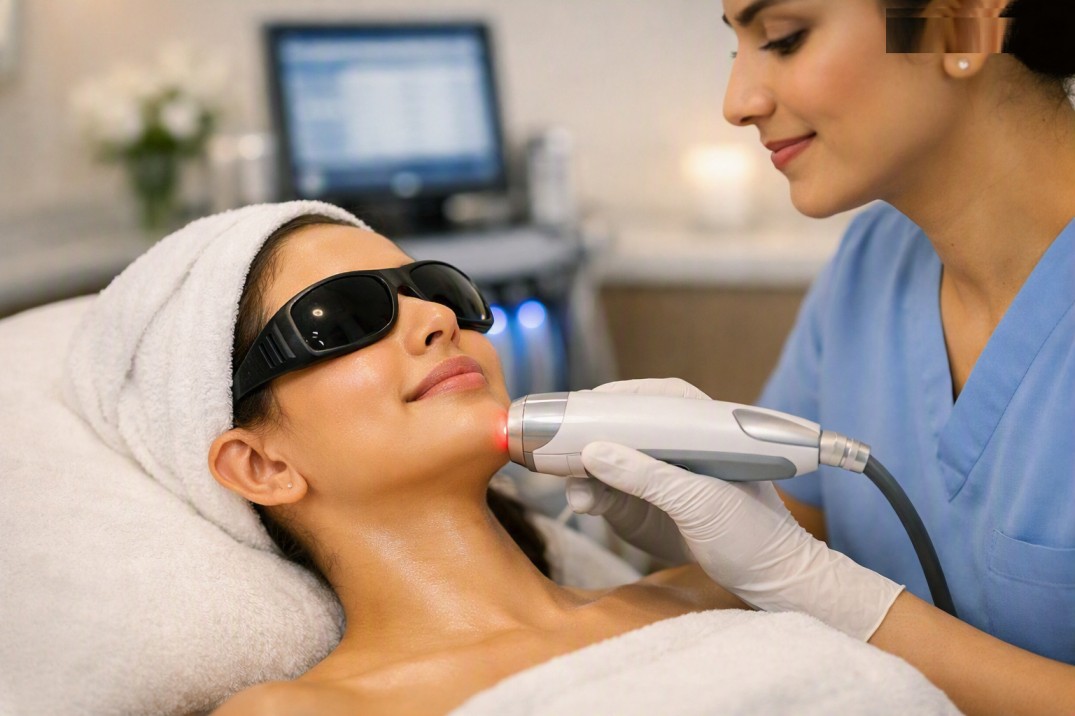
During the procedure, you will wear protective eyewear. The technician will pass the handheld laser device over your face. Most clients describe the sensation as a quick snap of a rubber band against the skin, tempered by the soothing chill of the device’s cooling tip. Sessions are remarkably quick, often taking anywhere from 15 to 30 minutes.
4. Results and Maintenance
Because hair grows in distinct cycles (anagen, catagen, and telogen), laser technology can only destroy follicles currently in their active growth phase. For PCOS clients, we typically recommend an initial series of 6 to 10 sessions spaced about 4 to 6 weeks apart, followed by periodic maintenance sessions to catch any new follicles activated by hormonal shifts.
Managing Expectations: Laser Hair Removal vs. PCOS Realities
Transparency is key to a successful aesthetic journey. Because PCOS involves active internal hormones, it is important to understand that results may differ from someone undergoing treatment without an endocrine condition.
Reduction, Not Total Eradication: You can expect a dramatic 70% to 90% reduction in hair density. The remaining hair is usually much finer, lighter, and easier to manage.
The Importance of Medical Management: Combining your aesthetic treatments with guidance from your endocrinologist or gynecologist to manage insulin resistance and androgen levels will yield the best long-term results.
Consistency is Crucial: Skipping sessions can allow dormant follicles stimulated by hormones to catch up, setting back your progress.
Frequently Asked Questions
Is facial laser hair removal safe for sensitive skin types affected by PCOS?
Yes, modern laser technology features adjustable parameters and advanced cooling systems that make treatments safe for a wide variety of skin tones and sensitive skin types. Always ensure your procedure is performed by a trained professional at a reputable clinic like Esthetica Cosmetology.
Will the hair grow back if my hormones fluctuate?
Because PCOS involves ongoing internal hormone fluctuations, new hair follicles can occasionally be stimulated over time. However, the hair that grows back is typically sparse, fine, and manageable. Annual touch-up sessions easily keep these stray hairs under control.
How many sessions will I need for facial hair caused by PCOS?
Due to the stimulating nature of androgens, clients with PCOS generally require a longer initial protocol—often between 8 to 12 sessions—followed by regular maintenance sessions every few months to sustain smooth results.
Can I wax or thread my face between laser sessions?
No. Waxing, plucking, and threading remove the hair root entirely, which interferes with the laser’s ability to target the follicle during your next appointment. Shaving or trimming is the only approved method of hair removal between sessions.
Conclusion
Navigating life with PCOS can feel overwhelming, but managing unwanted facial hair shouldn’t be an endless, painful battle. By targeting the root of the follicle, facial laser hair removal for PCOS offers a liberating alternative to daily shaving and painful waxing, giving you back your time and peace of mind.
If you are ready to explore a personalized, professional approach to smoother skin, the expert team at Esthetica Cosmetology is here to support you every step of the way. Schedule your consultation today and take the first step toward a more confident, carefree you.