

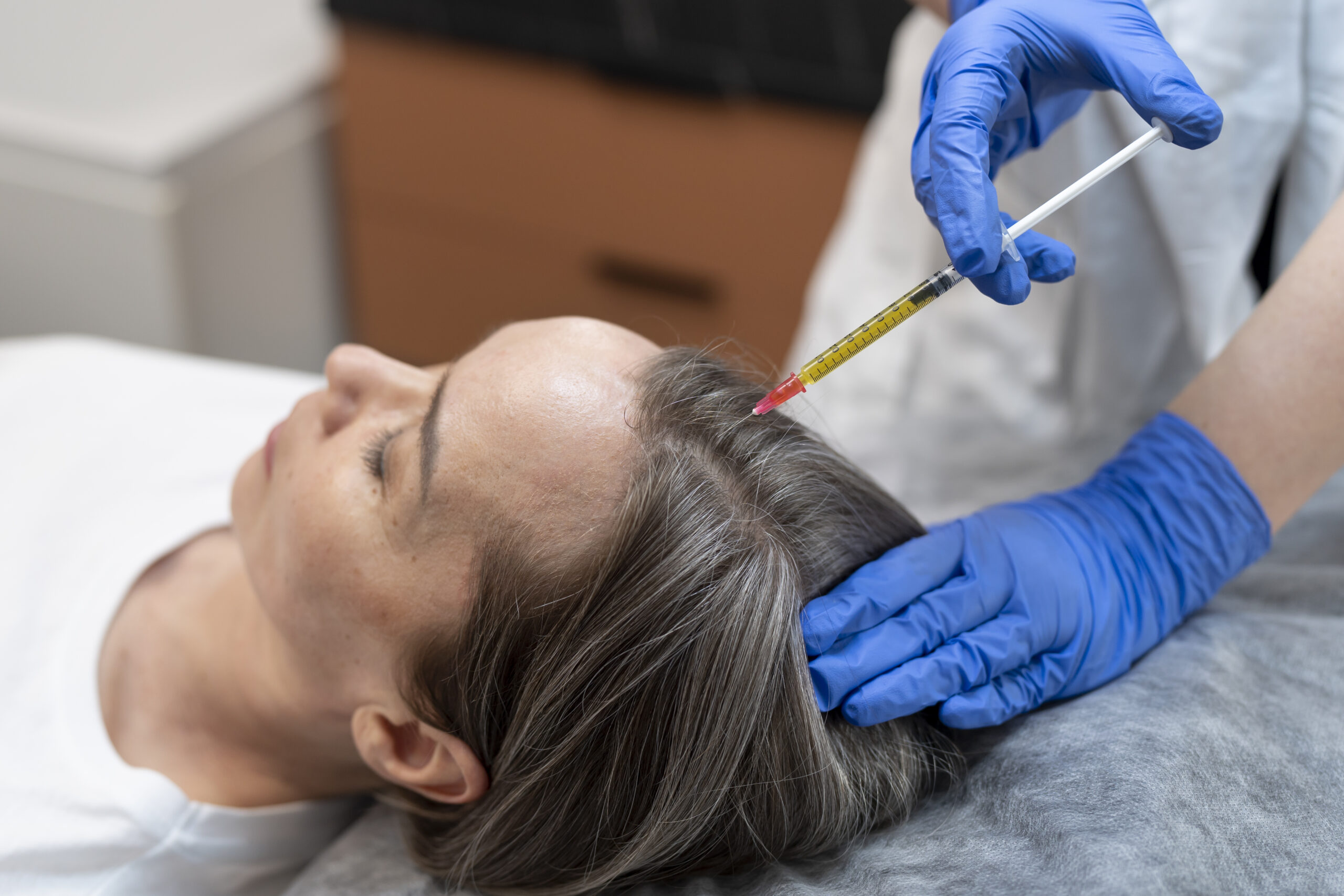
Hair fall can feel frustrating, embarrassing, and even emotionally draining—especially when you start noticing thinning at the crown, receding hairlines, or excessive shedding on your pillow. If you’ve been searching for non-surgical, safe, and effective solutions, chances are you’ve come across PRP hair treatment for hair loss. But the real question remains: does it actually regrow hair, or does it only slow down hair fall? At Esthetica Cosmetology, we believe in transparent, science-backed guidance so you can make informed decisions about your hair restoration journey.
What Is PRP Hair Treatment and How Does It Work?
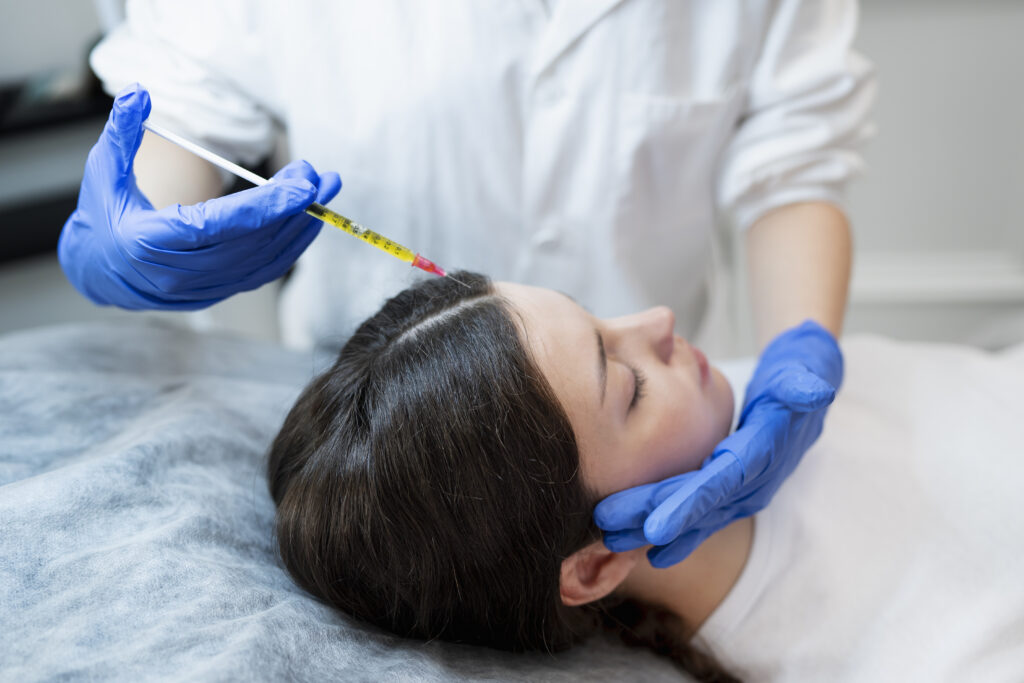
If you’re wondering whether this is just another trending procedure, here’s the science behind it in simple terms. PRP hair treatment for hair loss stands for Platelet-Rich Plasma therapy, a procedure where a small amount of your own blood is drawn, processed to concentrate the platelets, and then injected into your scalp. These platelets are rich in growth factors that stimulate dormant hair follicles, improve blood supply, and enhance scalp health. The goal is to create a healthier environment for hair growth by naturally activating follicle regeneration without surgery or chemicals.
Does PRP Actually Regrow Hair or Just Reduce Hair Fall?
This is the most common concern among patients considering PRP hair fall treatment. The answer depends on your hair loss stage. In early to moderate hair thinning, PRP can both reduce hair fall and stimulate visible regrowth by strengthening miniaturized follicles. However, in areas where follicles are completely dead, PRP cannot revive them. Instead, it works best where follicles are weak but still active. Most patients notice reduced shedding within 4–6 weeks and visible improvement in hair density after 3–4 sessions.
Who Is the Ideal Candidate for PRP Hair Treatment?
Not everyone experiencing hair loss will benefit equally from this therapy. The best results are seen in individuals with androgenetic alopecia (pattern baldness), post-partum hair thinning, stress-related hair fall, and early-stage hair loss. If you are completely bald in certain areas for many years, PRP may not provide significant regrowth. Consulting the best PRP hair treatment clinic ensures proper scalp analysis, diagnosis, and realistic expectation setting before beginning treatment.
What Results Can You Expect in 2026?
With advancements in 2026 techniques, PRP protocols have become more refined, improving patient outcomes. Modern centrifuge technology and precise injection methods increase platelet concentration and effectiveness. Most patients report thicker strands, reduced breakage, improved hair texture, and gradual density enhancement over 3–6 months. However, consistency matters. PRP is not a one-time miracle; it requires an initial series of sessions followed by maintenance treatments to sustain results.
How Many Sessions of PRP Are Needed?
One of the biggest myths is that a single session will solve hair loss permanently. In reality, dermatologists typically recommend 3–6 sessions spaced 4 weeks apart, depending on the severity of hair thinning. Maintenance sessions every 6–12 months help prolong results. The effectiveness of PRP hair treatment for hair loss significantly improves when combined with proper nutrition, scalp care, and medical guidance.
Is PRP Safe for Hair Loss?
Safety is one of the biggest advantages of this procedure. Since PRP uses your own blood, the risk of allergic reaction or infection is minimal when performed in a sterile clinical setting. Mild swelling or tenderness may occur temporarily. Choosing the best PRP hair treatment clinic ensures medical-grade equipment, expert handling, and hygienic protocols that maximize safety and results.
PRP vs Other Hair Loss Treatments: What’s Better?
Patients often compare PRP with medications, hair transplants, and topical treatments. Unlike medications that must be taken daily and may have side effects, PRP hair fall treatment is minimally invasive and drug-free. Compared to hair transplant surgery, PRP is non-surgical with zero downtime. However, for advanced baldness, a transplant may be more suitable, sometimes combined with PRP for enhanced graft survival. The right choice depends on your scalp condition and long-term goals.
What Affects PRP Treatment Success?
The success of PRP hair treatment for hair loss depends on several factors including age, hormonal balance, nutritional status, genetic pattern, and overall scalp health. Smoking, poor diet, and unmanaged stress can reduce treatment effectiveness. A thorough consultation helps identify underlying triggers such as thyroid imbalance or anemia, which must be corrected for optimal results.
Why Choosing the Right Clinic Matters
Not all PRP treatments are equal. The quality of equipment, platelet concentration technique, and medical expertise significantly impact outcomes. An experienced provider evaluates scalp condition, customizes session frequency, and monitors progress scientifically. Selecting the best PRP hair treatment clinic ensures you are not just getting injections, but a personalized hair restoration strategy tailored to your needs.
Does PRP Stop Hair Loss Permanently?
Many patients hope for a permanent cure. PRP is highly effective in slowing hair fall and promoting regrowth in suitable candidates, but it does not permanently stop genetic hair loss. Think of it as a long-term management solution rather than a one-time fix. With maintenance sessions and proper scalp care, results can be sustained for years.
Final Verdict: Is PRP Worth It in 2026?
If you are in the early to moderate stage of thinning, PRP hair treatment for hair loss is one of the safest and most promising non-surgical solutions available in 2026. It not only slows down hair fall but can also stimulate noticeable regrowth when follicles are still active. However, realistic expectations, consistent sessions, and expert supervision are key to achieving visible, lasting improvements.
FAQs
Is PRP hair treatment painful?
Most patients experience mild discomfort during injections, but numbing techniques make the procedure tolerable and quick.
When will I see results after PRP?
Hair fall reduction usually begins within a month, while visible thickness improvement appears after three to four sessions.
Can PRP completely regrow bald areas?
PRP works best on thinning areas with active follicles and cannot revive completely dead follicles.
How long do PRP results last?
Results typically last 12–18 months with proper maintenance sessions and scalp care.
Is PRP better than hair transplant?
PRP is ideal for early hair thinning, while hair transplant suits advanced baldness; sometimes both are combined for enhanced results.
Explore related articles: https://www.estheticacosmetology.com/prp-treatment-for-hair-loss/