

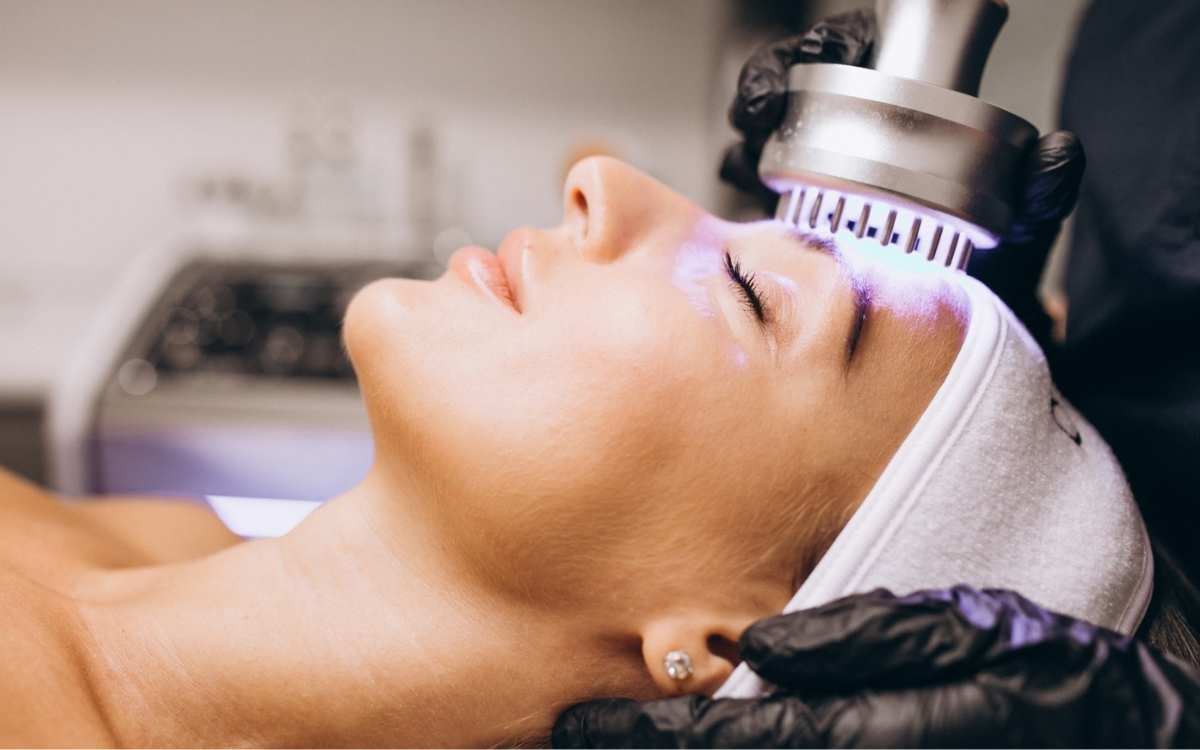
Glowing and healthy skin is the dream of everyone. And nowadays, people resort to various professional treatments for their desired glowing skin. Chemical peel facial is one of the most used techniques in contemporary skincare. Nevertheless, the one common question that arises in every person’s mind before undergoing it is whether chemical peel facials require downtime.
Knowing how to take care of the procedure post-treatment and knowing how long does the downtime of chemical peel facial takes can make a significant change in the outcome of your treatment. In this guide, we will be discussing all that you need to know about chemical peel facial, such as recovery time, best chemical peel for skin type, and its aftercare.
What Is a Chemical Peel Facial?
Chemical peeling is a cosmetic technique that utilizes specific chemicals to remove the topmost layer of dead skin cells from the epidermis. The procedure promotes new cell growth and helps achieve better skin texture.
Common applications of chemical peeling include:
- Acne scar removal
- Reduction of fine lines and wrinkles
- Repair of sun damage
- Skin discoloration correction
- Treatment of hyperpigmentation
- Imparting glow to the skin
Chemical peeling procedures are safe when conducted by professional technicians at Esthetica Cosmetology.
What You Need to Know Before Getting a Peel
One of the main questions that bother patients is how long they would be confined to their homes or unable to engage in their regular activities after having a chemical peel.
This is because downtime varies based on the kind of peel and its intensity. Some peels are associated with little or no downtime, while other types of peels result in peeling and redness lasting for several days.
The following are the three most common types of chemical peels.
Types of Chemical Peels and Their Recovery Process
1. Superficial Chemical Peels
Superficial peels are the lightest form of peels. They focus only on the topmost layer of the skin and are most suitable for beginners.
Benefits
- Illuminates uneven complexion
- Removes light discoloration
- Smoothers coarse skin
Chemical peel recovery time
- Zero recovery time
- Occasional reddening for a couple of hours
- Mild exfoliation within one-two days
Most people resume their regular work after undergoing the procedure.
2. Medium Chemical Peels
Medium peels reach a greater depth beneath the surface of the skin, addressing issues that require greater attention such as acne scarring and pigmentation.
Benefits
- Minimizes effects of acne scars
- Better skin texture
- Minimization of fine line
Chemical peel recovery time
- 5–7 days of peeling
- Skin can appear red or tight
- The skin may be sensitive
At this stage, it is vital to ensure that correct after-care for a chemical peel is provided.
3. Deep Chemical Peels
The deepest peels are considered to be the strongest and are typically used to treat severe problems such as deep wrinkles and hyperpigmentation of the skin.
Benefits
- Skin rejuvenation
- Smooths deep wrinkles
- Solves the problem of sun damage
Chemical peel recovery time
- Recovery time lasts 10-14 days
- The peeling is quite strong
- It requires medical supervision
Skin analysis is performed by Esthetica Cosmetology professionals before applying stronger peels.
Choosing the Right Peel for Your Skin
Every peel may not be suitable for every skin type. The correct choice of peel for the skin type guarantees safe results without causing irritation.
This is a simple chart that will help you identify which peel suits your skin problem.
For Oily and Acne-Prone Skin
Individuals who have oily skin tend to enjoy benefits of salicylic acid peels because of their deep cleansing and de-acne capabilities.
Benefits
- Regulates excessive oil
- Cuts down breakouts
- Keeps skin pores unclogged
For Dry or Sensitive Skin
The mild peels of lactic acid provide hydration to the skin due to their gentle nature.
Benefits
- Hydrates skin
- Brightens skin tone
- Gentle exfoliation
For Pigmentation and Sun Damage
Glycolic acid peels are commonly used to treat dark spots and uneven skin tone.
Benefits
- Removes damaged skin cells
- Improves skin brightness
- Smooths skin texture
Experts at Esthetica Cosmetology always perform skin analysis to determine which type of chemical peel you need for your skin.
What Happens After a Chemical Peel?
Following the procedure, your skin undergoes its natural regenerative process. It is entirely normal and necessary for attaining healthy skin.
Common reactions include:
- Mild erythema
- Dryness
- Scaling
- Peeling
The degree of reaction varies based on the intensity of the peel and the state of the patient’s skin.
Aftercare for Chemical Peel
Essential Tips for Faster Skin Recovery
Aftercare following a chemical peel is very important in order to obtain optimal results.
Follow these important skincare tips after your treatment.
1. Keep Your Skin Hydrated
Moisturizing will hydrate your skin, aiding in its restoration.
Hydration soothes the skin and accelerates the healing process.
2. Avoid Sun Exposure
Sunlight makes your skin sensitive after a chemical peel.
Apply sunscreen on exposed skin and stay out of the sun.
3. Do Not Pick or Peel Skin
It might be easy to pick off dead skin cells, but this could result in scarring or irritation.
Allow the skin to naturally shed.
4. Use Gentle Skincare Products
Do not use harsh exfoliants or products containing retinol, among others, for a few days.
This helps avoid skin irritation.
5. Follow Professional Advice
It is important to always adhere to the guidelines from skincare professionals at Esthetica Cosmetology.
Benefits of Chemical Peel Facials
When performed by trained professionals, chemical peels offer many skin benefits.
Skin Improvements You Can Expect
- Bright and glowing skin
- Lesser occurrences of acne and scarring
- Porcelain-like skin texture
- Younger-looking skin
Many patients report seeing results within a few days of their treatments.
Who Should Avoid Chemical Peels?
Although chemical peels are safe for many people, they may not be suitable for everyone.
You should consult a skincare professional if you:
- Are very sensitive to products
- Are having an infection in the skin
- Are expecting
- Are using harsh skin medications
A consultation will help you have a safe and successful treatment.
Why Professional Treatment Matters
Home peels are available but a professional approach gives better and safer outcomes.
The experts at Esthetica Cosmetology understand the type of skin that needs to be treated and apply the right kind of peel according to their experience.
How Often Should You Get a Chemical Peel?
How Often Do You Need a Chemical Peel?
Typical recommendations include:
- Light peels: every 4 to 6 weeks
- Medium peels: every 3 to 6 months
- Deep peels: every few years
Getting the peels regularly will help you maintain healthy, youthful skin.
Are Chemical Peels Safe?
When performed by trained professionals, chemical peels are generally safe and effective.
Most side effects are temporary and include:
- Mild redness
- Swelling
- Peeling of the skin
Appropriate care post-chemical peel can help prevent side effects.
Frequently Asked Questions
1. How long is chemical peel recovery time?
Time of recovery from chemical peel varies depending on the type of peel procedure done. Light chemical peel takes about 1–3 days, medium peel requires 5–7 days, while deep peel might need 10-14 days.
2. What is the best chemical peel for skin type?
Different skin types need different chemical peels to improve their appearance. Acne skin can be treated with salicylic acid peels, sensitive skin should use lactic acid peels, and glycolic acid peels are great for pigmentation and dull skin.
3. What is the most important aftercare for chemical peel?
The key steps in chemical peel aftercare include maintaining skin hydration, protecting the skin from sunlight, applying mild skincare products, and letting the skin peel off without any interference.
Final Thoughts
Chemical peel facials are among the most effective facial skin care procedures that can enhance the texture and radiance of your skin. Although some peeling and redness might be experienced during the procedure, the effects are worth the short recovery period.
Knowing the recovery period for chemical peel, selecting the right chemical peel for skin type, and observing the necessary chemical peel aftercare can lead to successful results.
With professional care and the right skincare routine, chemical peels can transform dull, uneven skin into a radiant and youthful complexion. Treatments performed at Esthetica Cosmetology are designed to provide safe, personalized skincare solutions that help clients feel confident in their natural beauty.
Explore related articles:
https://www.estheticacosmetology.com/https-www-estheicacosmetology-com-fine-lines-treatment-mohali/