


Moles are common skin growths that most people have at some point in their lives. While many moles are harmless, some can be bothersome due to their location, size, or appearance. Mole removal is a widely performed procedure in cosmetology clinics, including in Mohali, where many patients seek professional services for both medical and cosmetic reasons. If you are considering mole removal in Mohali, it’s natural to have questions about the risks, recovery process, and whether scarring is likely. This article explores all these aspects in detail to help you make an informed decision.
Understanding Mole Removal
Mole removal is a procedure designed to eliminate unwanted skin growths safely. Dermatologists or cosmetologists typically perform this under local anesthesia, ensuring minimal discomfort. There are multiple techniques for mole removal, including surgical excision, shave removal, laser therapy, and cryotherapy. Each method is chosen based on the mole’s type, size, and location on the body.
Surgical excision, for instance, involves cutting out the mole along with a small margin of surrounding tissue and then closing the area with stitches. Shave removal, in contrast, involves carefully shaving the mole off the skin surface, which is ideal for raised moles. Laser mole removal is non-invasive and works best for flat moles or cosmetic concerns.
While mole removal can enhance both appearance and skin health, understanding the potential risks is crucial before undergoing the procedure.
Risks Associated with Mole Removal
Like any medical procedure, mole removal carries certain risks. These risks may vary depending on the method used, the mole’s characteristics, and individual healing tendencies. Some of the common risks include:
Infection
Even in a sterile clinical environment, there is a slight risk of infection after mole removal. Symptoms of infection may include redness, swelling, pus, or increased pain around the treated area. Following post-procedure care instructions, such as keeping the area clean and avoiding touching it with unwashed hands, significantly reduces this risk.
Bleeding and Bruising
Some patients may experience minor bleeding during or after mole removal, especially in procedures involving surgical excision. Bruising around the treatment area is also possible and generally resolves within a few days to a week.
Allergic Reaction
Although rare, allergic reactions can occur due to anesthesia, topical creams, or other materials used during mole removal. It is essential to inform your dermatologist about any known allergies before the procedure.
Nerve Damage
For moles located near sensitive areas, such as the face or hands, there is a slight risk of nerve damage. This may lead to temporary numbness or tingling around the treated area, but permanent nerve injury is uncommon.
Recurrence
In some cases, moles may recur after removal, particularly if the entire mole, including its root, is not completely excised. Follow-up appointments with your dermatologist help monitor the treated area for any signs of recurrence.
Pigmentation Changes
After mole removal, the skin may undergo temporary or permanent pigmentation changes. This can result in either a darker or lighter patch at the site of the removed mole. Laser treatments are generally preferred for minimizing pigmentation changes, especially in cosmetic mole removal.
Mole Removal Recovery Process
Recovery after mole removal depends on the procedure used and the body’s natural healing ability. Generally, recovery takes anywhere from a few days to a few weeks.
Immediate Post-Procedure Care
Right after mole removal, your dermatologist may cover the area with a sterile bandage to prevent infection. It’s important to follow instructions regarding cleaning, applying ointments, and avoiding exposure to dirt or excessive moisture. Over-the-counter pain medications can help manage mild discomfort, but prescription medication may be provided if needed.
Healing Timeline
- First 3-5 days: The treated area may be tender, red, and slightly swollen. Minor bleeding or oozing can occur.
- 1-2 weeks: Stitches (if any) are typically removed or dissolve on their own. The skin begins forming a new protective layer.
- 3-4 weeks: Most of the redness and swelling subside. The skin may feel slightly firm or raised during this phase.
- 6-12 weeks: Full recovery is usually achieved, and the skin starts blending with the surrounding area. Any scabs or crusts naturally fall off, leaving behind smooth skin.
Caring for the Scar
Proper post-procedure care can minimize scarring. This includes:
- Keeping the area clean and dry
- Avoiding direct sunlight on the treated site
- Using recommended topical ointments or silicone gels
- Refraining from picking at scabs or scratching the area
Is Scarring Likely After Mole Removal?
Scarring is one of the most common concerns patients have when considering mole removal Mohali. The likelihood of scarring depends on multiple factors:
Mole Size and Depth
Larger or deeper moles require more extensive procedures, which can increase the chance of a noticeable scar. Smaller, superficial moles tend to heal with minimal scarring.
Location on the Body
Areas with more tension, such as joints or the back, may experience slightly more prominent scarring. Moles on the face or areas with thinner skin typically heal better with less visible marks.
Individual Healing Ability
Every individual’s skin heals differently. Factors like age, skin type, genetics, and overall health affect scar formation. Patients with a history of keloid or hypertrophic scars should discuss these risks with their dermatologist.
Technique Used
Modern mole removal techniques are designed to minimize scarring. Laser mole removal and shave excision generally leave very subtle marks, while surgical excision may leave a thin linear scar. Skilled dermatologists use techniques to make scars as inconspicuous as possible, often aligning incisions with natural skin lines.
With proper care, most patients experience minimal scarring that fades significantly over time. Some scars may become almost invisible after several months.
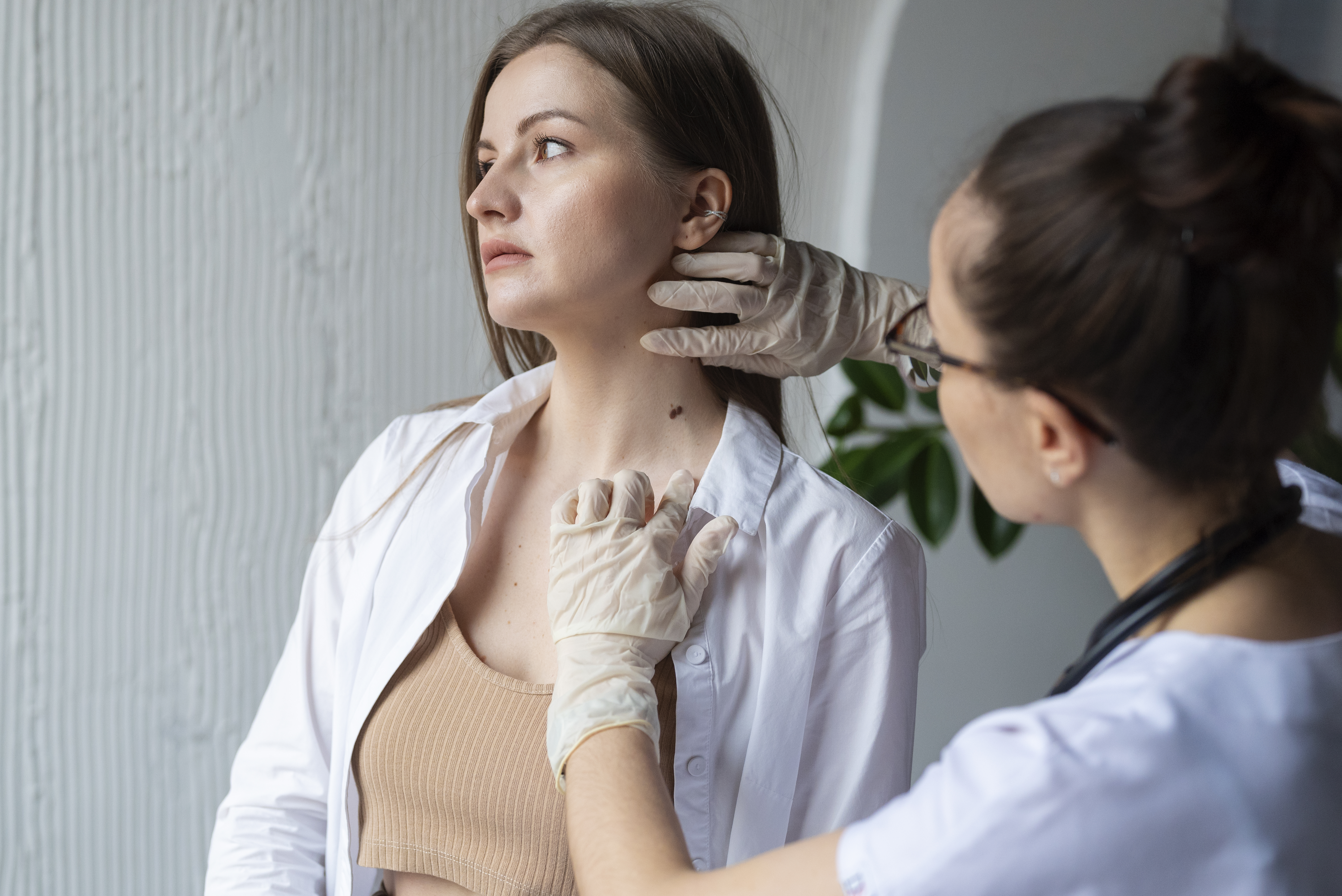
Factors Affecting Recovery and Scar Appearance
Several lifestyle and procedural factors influence how quickly the skin heals and the visibility of scars:
- Sun Exposure: Ultraviolet rays can darken scars. Using sunscreen or covering the area helps prevent pigmentation changes.
- Nutrition: A diet rich in vitamins, particularly Vitamin C and zinc, supports faster healing.
- Hydration: Keeping the skin moisturized promotes elasticity and reduces the risk of dry, noticeable scars.
- Follow-Up Care: Regular check-ups with your dermatologist ensure early intervention if complications or abnormal scarring occur.
Choosing the Right Clinic in Mohali
Selecting an experienced clinic is crucial for a safe mole removal process with minimal risks and optimal cosmetic outcomes. Esthetica Cosmetology in Mohali offers professional mole removal services with advanced techniques tailored to individual skin types and needs. Expert dermatologists evaluate each case thoroughly, ensuring precise procedures and personalized recovery guidance.
At Esthetica Cosmetology, patient education is emphasized. Patients receive detailed post-procedure instructions, scar management advice, and follow-up care to ensure both safety and aesthetic satisfaction.
Conclusion: Safe Mole Removal with Minimal Scarring
Mole removal is a safe and effective procedure when performed by skilled professionals. While there are risks such as infection, pigmentation changes, or minor bleeding, these are generally manageable with proper care. Recovery varies depending on the procedure and individual healing ability, but most patients experience complete healing within a few weeks.
Scarring is possible but is often minimal, especially when modern techniques are used and post-procedure instructions are carefully followed. Patients in Mohali seeking mole removal can confidently approach clinics like Esthetica Cosmetology for professional and safe treatments. Ultimately, understanding the risks, recovery process, and scar management options allows you to make an informed decision, ensuring that mole removal improves both your skin health and appearance.