
Dark spots, pigmentation, and uneven tone can slowly take away your confidence. Whether caused by sun damage, acne scars, hormonal changes, or aging, stubborn pigmentation often refuses to fade with home remedies and over-the-counter creams. Many people try multiple serums and facials but still struggle with dull, tired-looking skin. This is where Laser treatment for dark spots becomes a transformative solution. At Esthetica Cosmetology, advanced laser technologies are designed to precisely target excess melanin without harming surrounding skin, helping clients move from dull to visibly clearer and brighter skin safely and effectively.
Why Do Dark Spots and Pigmentation Develop in the First Place?
Before choosing any procedure, understanding the root cause of pigmentation is essential. Dark spots form when melanin production increases due to sun exposure, inflammation from acne, hormonal imbalance, or skin injuries. In Indian skin types especially, pigmentation can become deeper and more persistent if not treated correctly. While topical creams may lighten surface discoloration, deeper pigment deposits require technology-based intervention like laser treatment for pigmentation, which works below the skin’s surface to break down excess pigment clusters and restore a more even tone.
How Does Laser Technology Actually Remove Pigmentation?
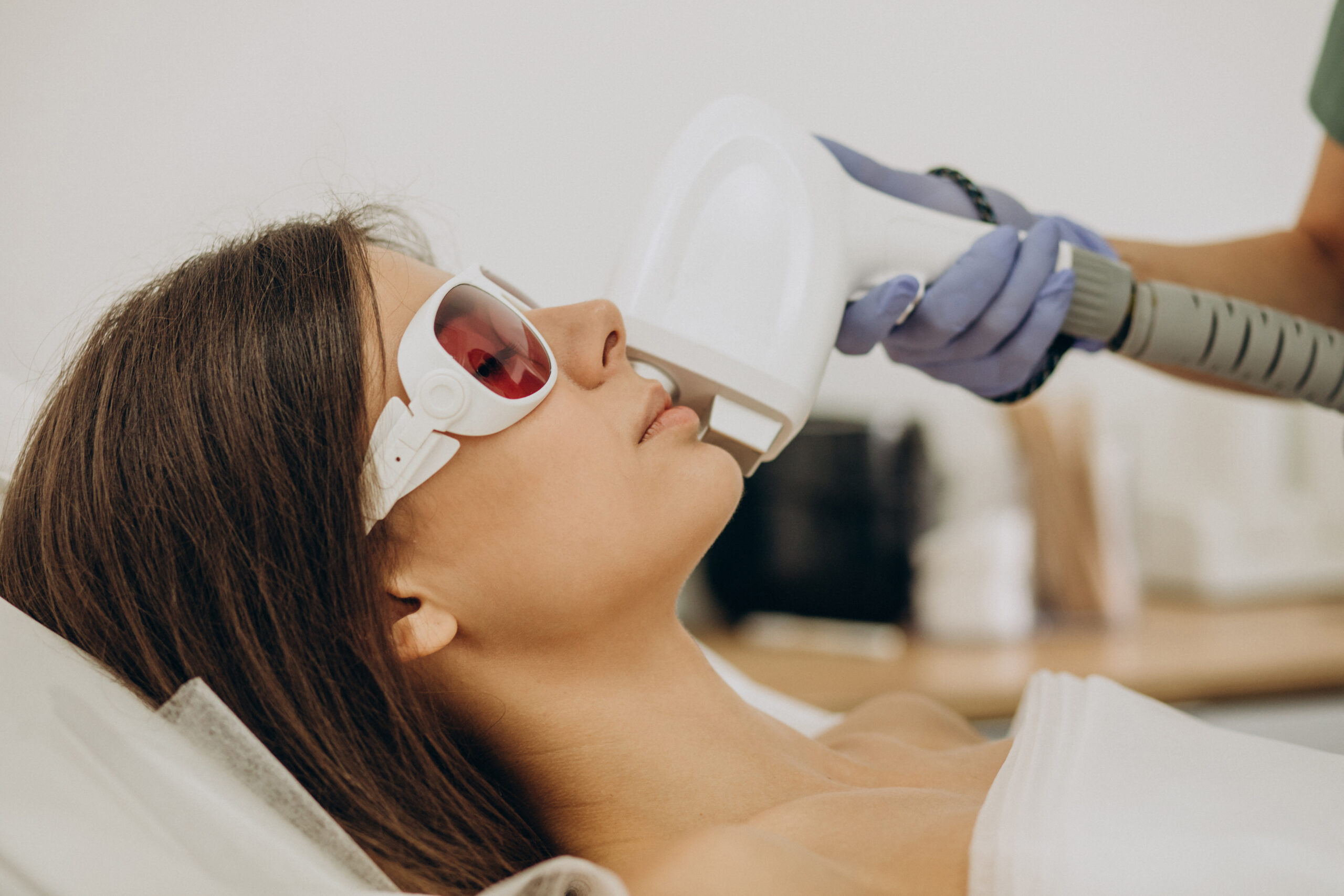
Many people are curious about what happens during a session. Laser devices emit focused light energy that is absorbed by the dark pigment in the skin. This energy breaks the melanin into tiny particles, which the body naturally eliminates over time. The surrounding tissue remains largely unaffected, making the procedure precise and controlled. Laser treatment for face pigmentation is customized according to skin type, depth of pigment, and the area being treated, ensuring optimal results with minimal downtime when performed by trained professionals.
What Makes Laser Treatment More Effective Than Creams and Peels?
If you have tried chemical peels, brightening facials, or medical creams without long-lasting results, the difference lies in depth of action. Topical treatments work primarily on the epidermis, while lasers penetrate deeper layers where stubborn pigmentation often resides. This deeper targeting leads to more visible and sustained improvement. Laser treatment for dark spots not only lightens existing pigmentation but can also stimulate collagen production, improving overall skin texture and radiance, which topical products alone cannot achieve.
What Real Results Can You Expect After Treatment?
One of the most common questions patients ask is about realistic expectations. After the first session, mild darkening of spots may occur before they gradually flake off or fade within one to two weeks. Over multiple sessions, the skin tone becomes more uniform, clearer, and brighter. With laser treatment for pigmentation, most clients notice a visible reduction in sunspots, acne marks, and uneven patches, especially when sessions are spaced correctly and combined with proper sun protection. Results vary depending on skin type and severity, but consistent improvement is typically observed.
Is the Procedure Painful or Unsafe?
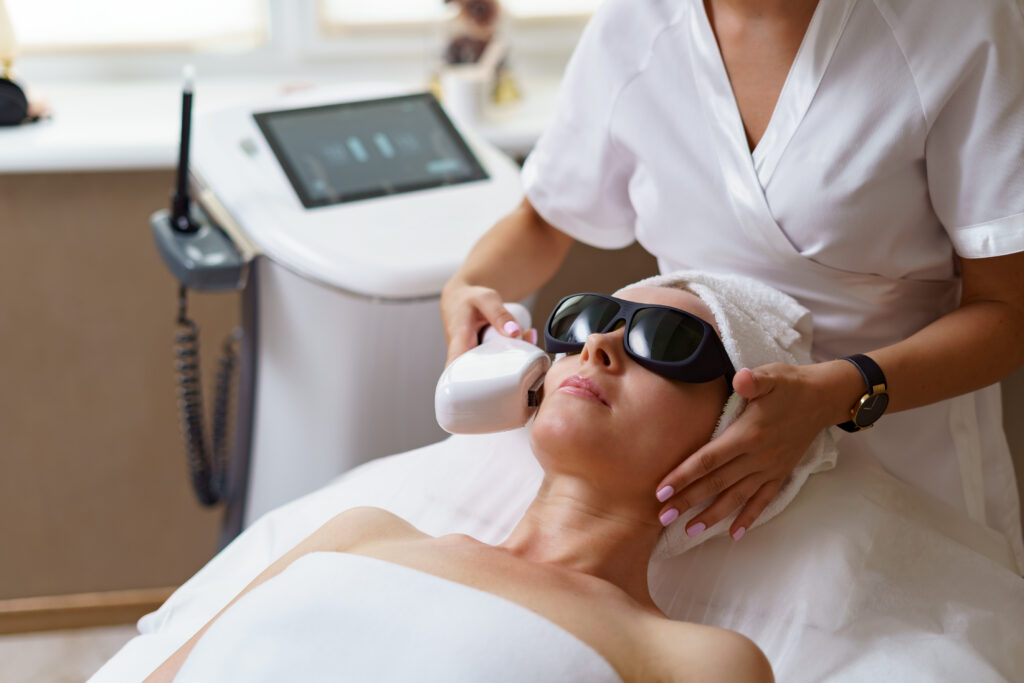
Safety and comfort are major concerns for first-time clients. Modern laser systems are designed with cooling mechanisms to reduce discomfort during the procedure. Most patients describe the sensation as mild tingling or a snapping feeling against the skin. When performed by qualified professionals using the right settings for Indian skin, laser treatment for face pigmentation is considered safe and controlled. Temporary redness or mild swelling may occur but usually subsides within a few hours to a couple of days.
How Many Sessions Are Required for Clear Skin?
The number of sessions depends on the depth and type of pigmentation. Superficial sunspots may respond in fewer sessions, while melasma or deeper pigmentation can require a structured treatment plan. Typically, 3 to 6 sessions spaced a few weeks apart are recommended for noticeable transformation. Laser treatment for dark spots works progressively, meaning results improve over time as pigment continues to break down and skin renews itself naturally.
Who Is the Ideal Candidate for Laser Pigmentation Treatment?
Anyone struggling with sunspots, acne scars, age spots, or uneven skin tone can be a suitable candidate after proper consultation. However, individuals with active infections, certain skin conditions, or uncontrolled medical issues may need to wait or explore alternative options. A detailed skin analysis ensures that laser treatment for pigmentation is tailored specifically to your skin concerns, maximizing safety and effectiveness.
What Should You Do Before and After the Procedure?
Preparation and aftercare play a crucial role in achieving optimal results. Before treatment, avoiding excessive sun exposure and discontinuing certain active skincare products may be advised. After the session, strict sunscreen use and gentle skincare routines help protect treated skin and enhance healing. Laser treatment for face pigmentation delivers best results when combined with sun protection, hydration, and dermatologist-guided maintenance.
Long-Term Benefits: More Than Just Spot Removal
Beyond removing dark spots, laser procedures often improve overall skin clarity and smoothness. By stimulating collagen and accelerating cell turnover, the skin appears fresher and more youthful. Over time, patients report not only clearer skin but also enhanced confidence. Choosing Laser treatment for dark spots is not just about aesthetics; it’s about restoring self-assurance and achieving healthy-looking skin that reflects how you truly feel inside.
FAQ
Is laser treatment for dark spots permanent?
Results are long-lasting if proper sun protection and skincare are maintained, but new pigmentation can develop with unprotected sun exposure.
Does laser treatment work for melasma?
Laser can help reduce melasma appearance, but it must be carefully planned as melasma is hormone-sensitive and may require combination therapy.
How soon can I wear makeup after treatment?
Most people can resume light makeup within 24 to 48 hours once redness subsides, depending on skin sensitivity.
Are there any side effects of laser pigmentation treatment?
Temporary redness, mild swelling, or slight darkening of spots may occur but typically resolve within a few days.
Can all skin types undergo laser treatment for pigmentation?
Most skin types can be treated safely when the correct laser settings and technology are used under expert supervision.
Explore related articles: https://www.estheticacosmetology.com/laser-treatment-for-skin-tightening/