
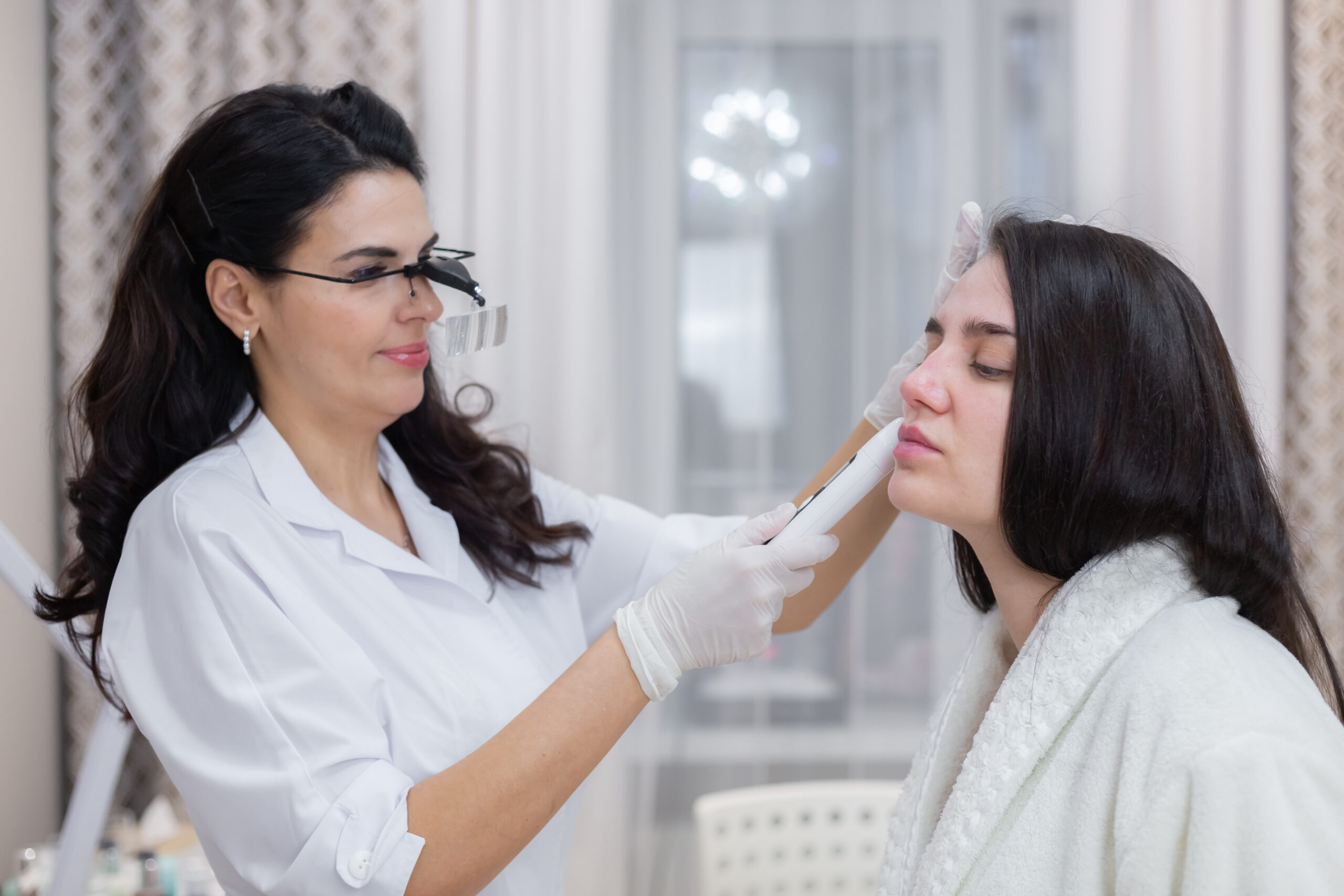
Pigmentation issues such as dark spots, melasma, and uneven skin tone are some of the most common skin concerns among Indian skin types. While many treatments are available, laser therapy has gained immense popularity for its ability to target pigmentation precisely. However, there is often hesitation among patients with darker skin tones regarding safety, side effects, and effectiveness. This article delves into the nuances of laser treatment for pigmentation, specifically for Indian skin, with insights directly from dermatologists.
Understanding Pigmentation and Its Causes
Before exploring laser treatments, it’s crucial to understand what pigmentation is. Pigmentation occurs when the skin produces excess melanin, the pigment responsible for skin color. Various factors can trigger this overproduction, including sun exposure, hormonal changes, genetics, acne scars, and aging. Indian skin tones, categorized often as Fitzpatrick skin types III to V, have higher melanin content, which provides natural protection against UV rays but also makes the skin prone to post-inflammatory hyperpigmentation after certain treatments.
Dermatologists emphasize that understanding the type and cause of pigmentation is the first step toward effective treatment. Laser therapy is just one approach, and not all pigmentation issues respond similarly to lasers.
How Laser Treatment for Pigmentation Works
Laser treatments work by emitting concentrated light beams that target melanin in the skin. The energy from the laser breaks down excess pigment into smaller particles, which the body then naturally eliminates. Different types of lasers are used depending on the pigmentation and skin type, including Q-switched Nd:YAG lasers, fractional CO2 lasers, and Alexandrite lasers.
For Indian skin tones, dermatologists recommend specific lasers that minimize the risk of side effects like post-inflammatory hyperpigmentation, burns, or scarring. This tailored approach ensures that patients achieve the desired results safely.
Why Skin Needs Special Consideration
Indian skin has a higher risk of adverse reactions to aggressive laser treatments because of the increased melanin content. Traditional laser therapies designed for fairer skin may cause hyperpigmentation or hypopigmentation in darker skin tones. This is why selecting the right type of laser and the correct treatment parameters is critical.
Dermatologists stress the importance of consulting a qualified professional who understands ethnic skin differences. A careful assessment of skin type, pigmentation depth, and medical history helps in customizing the treatment plan.
Benefits of Laser Pigmentation Removal for Skin
Despite the concerns, when performed correctly, laser treatment offers several benefits for Indian skin tones:
Targeted Pigment Removal: Lasers precisely focus on pigmented areas without affecting surrounding healthy skin, making it effective for stubborn dark spots and melasma.
Minimal Downtime: Most laser treatments have short recovery periods, allowing patients to resume daily activities quickly.
Long-Lasting Results: With proper post-treatment care and sun protection, results can last months or even years.
Improved Skin Texture: Advanced laser technologies not only reduce pigmentation but also stimulate collagen production, enhancing overall skin texture and tone.
Safety Measures to Ensure Effective Treatment
Dermatologists outline several precautions to make laser pigmentation treatment safe for Indian skin tones:
Patch Testing: Conducting a test on a small skin area helps predict the skin’s reaction to the laser.
Choosing the Right Laser: Nd:YAG lasers and fractional lasers are considered safer for darker skin types.
Gradual Approach: Starting with lower energy levels and fewer sessions reduces the risk of complications.
Sun Protection: Pre- and post-treatment sun protection is essential to prevent new pigmentation from forming.
Post-Treatment Care: Applying soothing creams, avoiding harsh chemicals, and following the dermatologist’s instructions enhances healing and results.
Common Myths About Laser Treatment for Darker Skin
Many people hesitate to try laser therapy due to myths and misconceptions. One common myth is that laser treatment is unsafe for Indian skin. Dermatologists clarify that safety largely depends on laser selection, expertise, and patient-specific customization. Another myth is that laser treatments are painful or have permanent side effects. Modern technology ensures minimal discomfort, and adverse effects are rare when performed correctly.
What to Expect During a Laser Pigmentation Session
A typical laser session involves cleansing the skin, applying a topical numbing cream if necessary, and using the laser to target pigmented areas. The duration varies depending on the size of the area being treated but usually ranges from 20 to 60 minutes. Patients may experience mild redness, swelling, or a warm sensation, which generally subsides within a few hours.
Multiple sessions are often needed for optimal results. Dermatologists recommend spacing sessions to allow the skin to heal and pigment to gradually lighten.
Post-Treatment Care for Skin
Post-treatment care is crucial to prevent complications and ensure long-lasting results. Dermatologists advise avoiding direct sun exposure, using broad-spectrum sunscreens with high SPF, and applying gentle moisturizers to keep the skin hydrated. Exfoliating or using harsh chemical products should be avoided until the skin fully recovers. Following these steps significantly reduces the risk of post-inflammatory hyperpigmentation.
Choosing the Right Dermatologist
Selecting a skilled dermatologist is the key to safe and effective laser pigmentation treatment. Look for specialists with experience in treating Indian skin types and modern laser technologies. Personalized consultation, clear explanation of expected outcomes, and realistic goal-setting are indicators of a competent practitioner.
Real-Life Experiences: What Patients Say
Many patients with Indian skin tones report positive outcomes from laser treatments when done under expert supervision. Dark spots, melasma patches, and uneven skin tone often show visible improvement after a few sessions. Patients also highlight the confidence boost and enhanced appearance that comes with even skin tone and smoother texture.
Conclusion: Laser Treatment Can Be Safe With Expert Care
Laser treatment for pigmentation can be a safe and effective solution for Indian skin tones when performed correctly. Understanding the type of pigmentation, choosing the right laser, and following expert guidance and post-treatment care are essential. Consultation with a qualified dermatologist who has experience with ethnic skin is crucial to achieving safe, long-lasting results.
With growing technological advances, Indian patients no longer need to avoid laser treatments out of fear. Customized approaches ensure that pigmentation issues can be treated effectively, safely, and with minimal discomfort.
FAQs About Laser Treatment for Pigmentation Skin
Is laser treatment painful for darker skin tones?
Modern lasers cause minimal discomfort, and topical numbing creams can be applied for sensitive areas.
How many sessions are needed for visible results?
Typically, 3 to 6 sessions spaced a few weeks apart show significant improvement depending on pigmentation type and severity.
Can laser treatment cause permanent damage?
Permanent damage is rare when treatments are performed by experienced dermatologists using suitable laser types for Indian skin.
Will pigmentation come back after treatment?
New pigmentation may develop over time due to sun exposure or hormonal changes, but proper sun protection and skincare reduce the chances.
Are there alternatives to laser for Indian skin?
Yes, chemical peels, topical treatments, and microneedling can also improve pigmentation, but laser often provides faster and more targeted results.
Explore related articles: https://www.estheticacosmetology.com/full-body-laser-hair-removal-mohali-treatments/